
Mike Wahlstrom

Can't find what you want?

We are here to help. Contact us.

Gold Bars

Buy Gold Bars – .9999 fine gold bars in sizes from 1 gram to 1 kg, offering a timeless and cost-effective investment in pure gold. Shop gold bars from trusted mints at low premiums, with secure, insured delivery to safeguard your wealth in physical gold bullion.

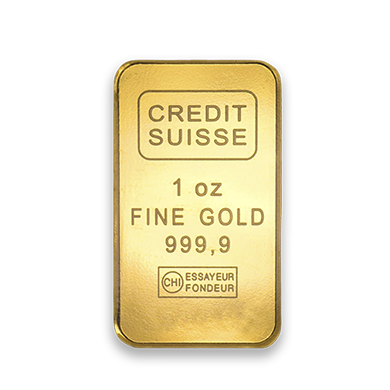
Credit Suisse Gold Bars

10 Products
Credit Suisse Gold Bars
Explore Credit Suisse Gold Bars

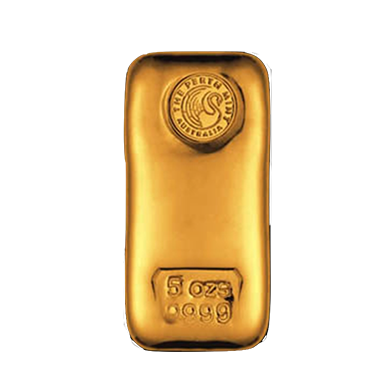
Perth Mint Gold Bars

20 Products
Perth Mint Gold Bars
Explore Perth Mint Gold Bars

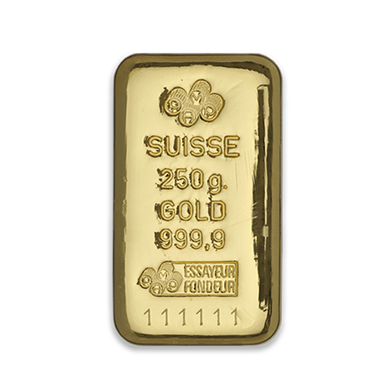
Pamp Suisse Gold Bars

96 Products
Pamp Suisse Gold Bars
Explore Pamp Suisse Gold Bars

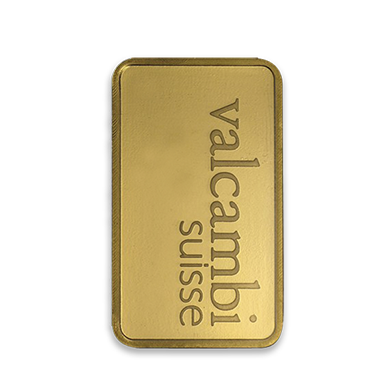
Valcambi Gold Bars

25 Products
Valcambi Gold Bars
Explore Valcambi Gold Bars

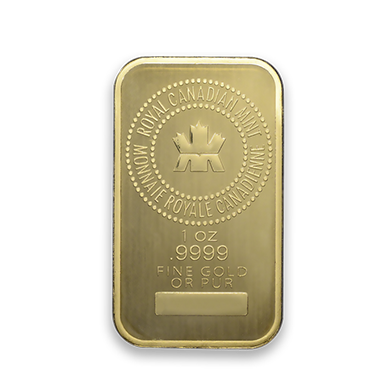
Royal Canadian Mint Gold Bars

6 Products
Royal Canadian Mint Gold Bars
Explore Royal Canadian Mint Gold Bars

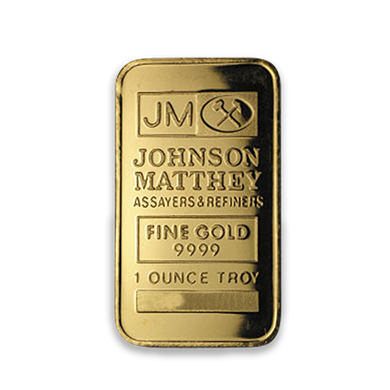
Johnson Matthey Gold Bars

5 Products
Johnson Matthey Gold Bars
Explore Johnson Matthey Gold Bars

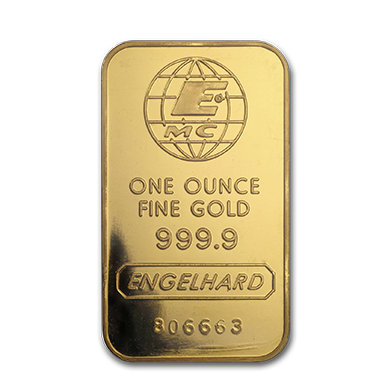
Engelhard Gold Bars

6 Products
Engelhard Gold Bars
Explore Engelhard Gold Bars

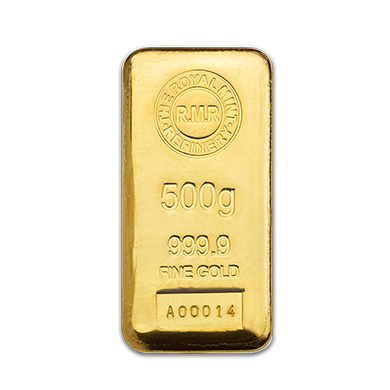
Royal Mint Gold Bars

10 Products
Royal Mint Gold Bars
Explore Royal Mint Gold Bars

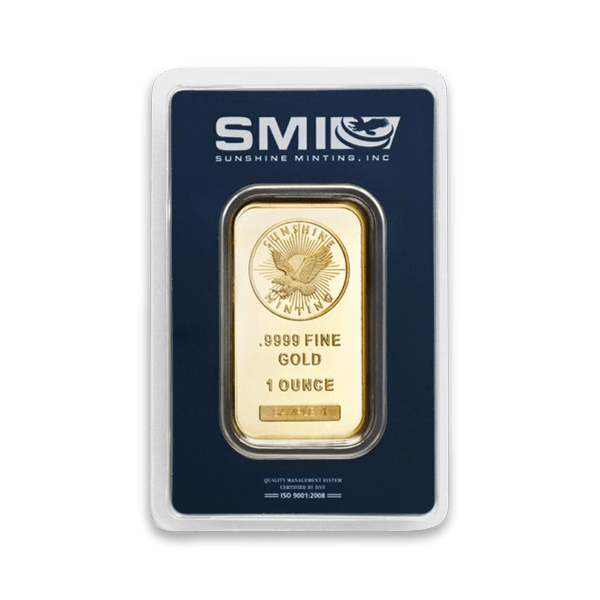
Sunshine Mint Gold Bars

13 Products
Sunshine Mint Gold Bars
Explore Sunshine Mint Gold Bars

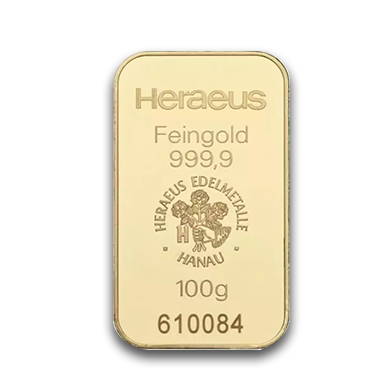
Heraeus Gold Bars

16 Products
Heraeus Gold Bars
Explore Heraeus Gold Bars

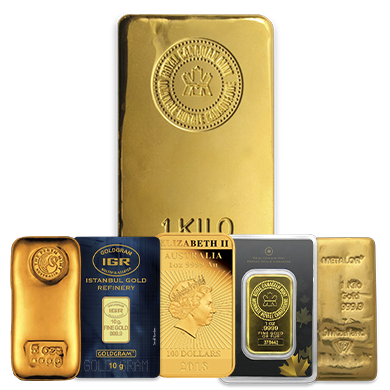
All Gold Bars

264 Products
All Gold Bars
Explore All Gold Bars

GOLD BARS FAQ

What is the difference between gold bars and gold rounds?

Gold bars are rectangular pieces of gold produced by refineries and mints, typically stamped with weight, purity, refiner mark, and serial number. Gold rounds are coin-shaped pieces produced by private mints but are not legal tender currency. Both are valued solely for gold content. Bars are popular for larger investments (10 oz, 1 kilo) and often carry lower premiums, while rounds usually come in smaller sizes like 1 oz and may feature decorative designs. Bars from recognized refiners like PAMP Suisse offer excellent liquidity, while rounds can be slightly less liquid than government-minted coins but more liquid than generic bars.

Are gold bullion bars better than coins?

Neither is inherently better. It depends on your investment goals. Gold bars typically offer lower premiums per ounce, making them ideal for maximizing gold content within your budget, especially in larger sizes. Government-minted gold coins like American Gold Eagles offer higher liquidity, easier recognition, government backing for weight and purity, and better resale potential, though at slightly higher premiums. Coins are also more divisible if you need to sell portions of your holdings. Many investors combine both, using bars for core holdings and coins for flexibility and easy liquidation.

What are gold bars?

Gold bars, also called ingots, are rectangular blocks of refined gold produced by mints and refineries for investment purposes. They range from small 1 gram bars to large 400 oz institutional bars, with popular investment sizes including 1 oz, 10 oz, and 100 gram bars. Gold bars are stamped with their weight, purity (typically .9999 fine), refiner's mark, and often a serial number for authentication. They're valued based on their gold content and weight, making them one of the most straightforward ways to invest in physical gold with typically lower premiums than coins.

Are gold bars a good investment?

Yes, gold bars are an excellent investment choice, particularly for investors looking to maximize their gold holdings with minimal premiums. Bars typically cost less per ounce than coins, especially in larger sizes, allowing you to acquire more gold for your money. They offer the same benefits as other physical gold investments, including inflation protection, portfolio diversification, and wealth preservation. Gold bars are highly liquid and can be sold to dealers worldwide. They're ideal for investors prioritizing gold content over collectibility and those making larger investments where lower premiums significantly impact total value.

How much do gold bars cost?

Gold bars cost the current spot price of gold multiplied by their weight, plus a premium. For example, a 1 oz gold bar at a spot price of $2,000 per ounce would cost approximately $2,040 to $2,100, including a 2-5% premium. Larger bars like 10 oz or 100 gram typically have lower premiums per ounce (around 2-3%), while smaller bars like 1 gram have higher premiums (10-15% or more). The exact cost varies daily with gold prices and depends on the brand, size, and current market demand. Reputable refiners like PAMP Suisse may carry slightly higher premiums than generic bars.

What sizes do gold bars come in?

Gold bars are available in a wide range of sizes to fit different budgets. Small bars include 1 gram, 2.5 grams, 5 grams, 10 grams, and 20 grams, ideal for beginners or those building holdings gradually. Popular investment sizes are 1 oz (31.1 grams), 10 oz, and 100 grams, offering a good balance of affordability and lower premiums. Larger bars include 1 kilogram (32.15 troy ounces) and 100 oz bars for serious investors. Institutional investors use 400 oz Good Delivery bars. Most retail investors choose between 1 oz and 10 oz bars for optimal liquidity and storage convenience.

What is the difference between gold bars and gold coins?

Gold bars are rectangular ingots typically produced by private refineries and valued solely for gold content, usually carrying lower premiums than coins. Gold coins are minted by government or private mints in round shapes, often with designs and legal tender status. Bars are ideal for maximizing gold content per dollar, especially in larger sizes. Coins, particularly government-minted ones like American Gold Eagles, offer higher liquidity, easier recognition, and better divisibility. Bars require more verification when selling, while recognized coins are instantly authenticated. Many investors use both, choosing bars for core holdings and coins for flexibility and easier transactions.

How much is a 1 oz gold bar worth?

A 1 oz gold bar is worth approximately the current spot price of gold plus a small premium, typically 2-5% over spot. If gold is trading at $2,000 per ounce, a 1 oz bar would be worth around $2,040 to $2,100 when buying from a dealer. When selling, you'd receive close to the spot price minus a small dealer fee. The exact value fluctuates throughout the trading day as gold prices change. Bars from recognized refiners like PAMP Suisse, Valcambi, or Perth Mint typically hold value better and are easier to sell than generic or unknown brands.

Are gold bars pure gold?

Investment-grade gold bars are typically .9999 fine, meaning they're 99.99% pure gold. This is the standard purity for modern gold bars from reputable refiners like PAMP Suisse, Valcambi, Perth Mint, and Credit Suisse. Some older bars may be .995 fine (99.5% pure), which is also acceptable for investment. The purity is always stamped on the bar along with weight and the refiner's mark. Higher purity like .9999 is preferred because it represents nearly pure gold with minimal impurities, making the bars more valuable and easier to authenticate and trade globally.

Where can I buy gold bars?

You can buy gold bars from reputable online precious metals dealers, local coin shops, and some banks. When buying online, choose established dealers with transparent pricing, secure payment options, and fully insured shipping. Look for dealers offering products from recognized refiners like PAMP Suisse, Perth Mint, or Valcambi. Compare premiums across multiple dealers to find competitive pricing. Verify authenticity guarantees and return policies before purchasing. At Pacific Precious Metals, we offer a curated selection of gold bars from trusted refiners with competitive pricing, secure transactions, and insured delivery directly to your door.

How to store gold bars?

Gold bars can be stored at home in a high-quality safe, in a bank safety deposit box, or at a professional precious metals depository. For home storage, invest in a heavy safe bolted to the floor and ensure your homeowner's insurance covers the full value. Bank safety deposit boxes provide secure, low-cost storage but have limited access hours and may not insure contents for full value. Professional depositories offer maximum security, full insurance, segregated storage options, and easier selling when needed, though they charge annual fees of around 0.5-1% of value. Larger bars benefit most from professional storage due to their size and value.

Can I sell gold bars?

Yes, gold bars are highly liquid and can be sold to precious metals dealers, coin shops, or refineries. Reputable dealers offer buyback programs where they purchase gold bars at competitive rates based on current spot prices. Bars from recognized refiners like PAMP Suisse, Perth Mint, and Valcambi are easiest to sell due to their trusted reputation and authenticity features. When selling, you'll typically receive the spot price minus a small dealer fee. Keep your bars in original packaging with assay certificates and documentation, as these verify authenticity and can streamline the selling process and potentially improve resale value.

What are the best gold bar brands?

The best gold bar brands include PAMP Suisse (Switzerland), known for advanced security features and beautiful designs; Perth Mint (Australia), valued for quality and government backing; Valcambi (Switzerland), recognized for innovative products and reliability; Credit Suisse, a historic refiner with worldwide recognition; and Engelhard, respected for quality and history. In the US, Sunshine Minting and Asahi are also reputable producers. Government-backed options like Royal Canadian Mint bars offer additional assurance. Choose bars from established refiners with clear hallmarks, serial numbers, and assay certificates. These brands ensure authenticity, easier resale, and better liquidity in the global market.

Do gold bars have serial numbers?

Most investment-grade gold bars have serial numbers, especially those from reputable refiners like PAMP Suisse, Perth Mint, and Valcambi. The serial number is stamped or engraved on the bar and often matches a number on the accompanying assay certificate or protective packaging. Serial numbers serve as unique identifiers for authentication and tracking purposes, helping verify the bar's authenticity and provenance. Smaller bars (under 1 oz) may not always have serial numbers, while larger bars (1 oz and above) from major refiners typically do. Serial numbers are particularly important for resale, as they make verification easier and provide additional security against counterfeits.

How are gold bars priced?

Gold bars are priced based on their weight multiplied by the current spot price of gold, plus a premium. The spot price represents the global market price for immediate delivery and fluctuates throughout trading hours based on supply, demand, and economic factors. The premium covers refining, manufacturing, distribution, dealer overhead, and profit, typically ranging from 2-5% for standard sizes like 1 oz or 10 oz bars. Smaller bars have higher premiums per ounce (10-15%), while larger bars like 1 kilo may have lower premiums (1-3%). Bars from premium brands like PAMP Suisse may cost slightly more but offer better resale value and liquidity.

Are larger gold bars cheaper per ounce?

Yes, larger gold bars typically have lower premiums per ounce, making them more cost-effective for maximizing gold content. A 10 oz or 1 kilo bar might have a 2-3% premium per ounce, while a 1 oz bar might be 3-5%, and smaller bars like 1 gram can have premiums of 15% or higher. The savings come from economies of scale in manufacturing and distribution. However, larger bars have tradeoffs: they require more upfront capital, are harder to liquidate partially (you must sell the entire bar), and may have a smaller buyer pool. Most investors balance cost efficiency with liquidity by choosing 1 oz to 10 oz sizes.

What purity are gold bars?

Investment-grade gold bars are typically .9999 fine, meaning 99.99% pure gold. This is the standard purity for bars from major refiners like PAMP Suisse, Perth Mint, Valcambi, and Credit Suisse. Some bars may be .995 fine (99.5% pure), which is also acceptable for investment purposes. The purity level is always stamped on the bar alongside the weight, refiner's mark, and often a serial number. .9999 fine gold is preferred in the industry because it represents nearly pure gold with minimal impurities, making bars easier to authenticate, trade internationally, and refine if necessary. Higher purity also commands better resale value.

Your Cart


Continue to Checkout