

SILVER BULLION FAQ
What is silver bullion?
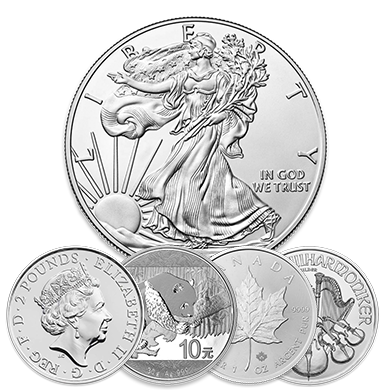
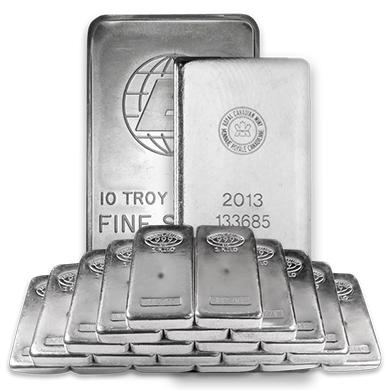
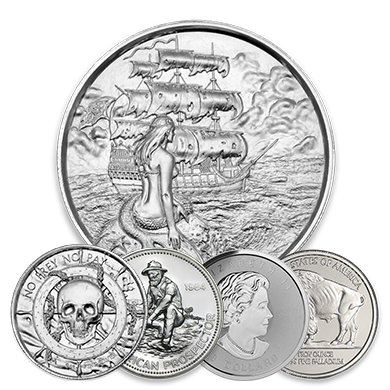
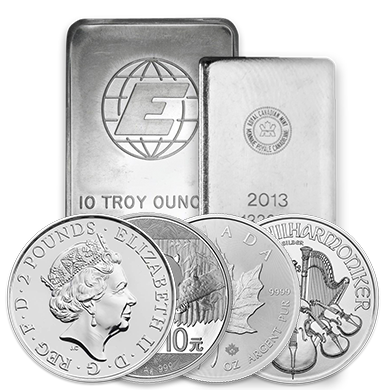
Silver bullion refers to pure silver in physical form, including bars, rounds, and coins, valued primarily for metal content rather than collectibility. Bullion typically has a purity of .999 fine or higher (99.9% pure silver). It's bought and sold based on weight and current silver spot prices plus small premiums. Silver bullion serves as a tangible investment for wealth preservation, inflation protection, and portfolio diversification. Popular forms include government-minted coins like American Silver Eagles, private mint bars, and silver rounds, all offering accessible entry points for precious metals investing.
Is silver bullion a good investment?
Silver bullion serves multiple investment purposes beyond simple price appreciation. It offers affordable precious metals exposure with lower entry costs than gold, making it accessible for regular accumulation. Silver has dual demand from both investors and industrial applications (electronics, solar panels, medical devices), creating unique market dynamics. It provides inflation protection and portfolio diversification while offering higher volatility than gold, which can benefit active traders. The metal's ratio to gold historically suggests value potential. For beginners or those building positions gradually, silver's affordability allows meaningful accumulation without large capital requirements.
How much is silver bullion worth?
Silver bullion value equals its weight multiplied by the current spot price of silver, which trades around $24-32 per ounce (prices fluctuate daily). A one-ounce silver coin or bar tracks this spot price plus premiums typically ranging from 10-25% depending on product type and market conditions. Government coins carry higher premiums than bars due to minting costs and collectibility. For example, at $28 spot silver, a one-ounce American Silver Eagle might cost $32-35, while a generic bar might cost $30-32. Current silver prices reflect supply, demand, industrial consumption, and investor sentiment.
What is the difference between silver bullion and silver coins?
Silver bullion is a broad category that includes bars, rounds, and coins valued for silver content. Silver coins specifically include both bullion coins (like American Silver Eagles) minted for investment purposes and numismatic coins valued for rarity and collectibility. Bullion coins trade close to silver spot price plus modest premiums, while numismatic coins can command significant premiums based on age, condition, and scarcity. When investors refer to "silver bullion," they typically mean investment-grade products including both coins and bars, all valued primarily for silver weight rather than collector appeal.
What sizes does silver bullion come in?
Silver bullion comes in diverse sizes to fit any budget. Coins typically come in 1 oz (most popular), with some mints offering 2 oz, 5 oz, and 10 oz silver coins. Bars range from 1 oz up to 1,000 oz institutional sizes, with popular retail sizes including 1 oz, 5 oz, 10 oz, and 100 oz bars. Rounds mirror coin sizes, commonly 1 oz. Some mints produce fractional sizes like 1/2 oz or even 1/10 oz. One-ounce products offer the best liquidity and recognition. Larger bars provide lower premiums per ounce but require more capital and can be harder to sell in portions.
How to buy silver bullion?
Purchase silver bullion through online precious metals dealers, local coin shops, or directly from mints. Online dealers typically offer the widest selection and most competitive pricing. Compare premiums across multiple dealers for identical products. Decide between coins (higher premiums, better liquidity), bars (lower premiums, maximum silver), or rounds (middle ground). Start with recognized products like American Silver Eagles or reputable mint bars. At Pacific Precious Metals, we offer competitive pricing on diverse silver products with secure checkout and fully insured shipping. Verify dealer credentials through ratings and reviews before purchasing, and understand current spot prices to evaluate premium fairness.
Where to store silver bullion?
Silver requires more storage space than gold due to lower value density. Home storage in a quality safe works for moderate holdings, though silver's bulk requires larger capacity than gold. Ensure adequate homeowner's insurance coverage for full value. Bank safety deposit boxes offer secure storage but check size availability since silver takes more space. Professional depositories provide maximum security with full insurance, ideal for larger holdings, charging fees around 0.5-1% annually. Silver is more prone to tarnishing than gold, so consider airtight containers or anti-tarnish storage solutions. Many investors split holdings between accessible home storage and secure facility storage.
Can you sell silver bullion?
Silver bullion sells easily through precious metals dealers, coin shops, and online buyers. Expect payouts at current spot price minus dealer margins, typically 5-10% under spot depending on product type and quantity. Government coins like American Silver Eagles command better buyback rates than generic bars due to recognition and demand. Larger quantities often receive better per-ounce pricing than single pieces. Many dealers, including Pacific Precious Metals, offer buyback programs with transparent pricing. Keep original packaging and any certificates to streamline verification. Market liquidity is strong, allowing sales whenever you choose without significant delays.
What purity is silver bullion?
Investment-grade silver bullion is typically .999 fine (99.9% pure silver), the standard for bars, rounds, and most government bullion coins. Some premium products like Canadian Silver Maple Leafs are .9999 fine (99.99% pure). American Silver Eagles are .999 fine but contain exactly one troy ounce of pure silver. The small percentage of other metals (usually copper) adds durability without significantly affecting value. Purity is stamped on all bullion products alongside weight and mint marks. Unlike gold, where 22-karat coins are common, silver bullion almost universally maintains .999 or higher purity standards.
Why invest in silver bullion?
Silver offers distinct advantages beyond traditional precious metals benefits. Its industrial demand creates consumption-based value beyond investment appeal, with over half of silver production going to manufacturing, solar panels, electronics, and medical applications. This dual role as both monetary metal and industrial commodity provides unique market dynamics. Silver's lower price point enables affordable accumulation and easier divisibility when selling portions of holdings. Historically, silver has shown higher percentage gains than gold during precious metals bull markets due to greater volatility. It provides inflation protection, portfolio diversification, and tangible wealth outside the financial system at accessible price points.
What are the most popular silver bullion coins?
The American Silver Eagle leads as the most popular silver bullion coin in the US, known for government backing, consistent liquidity, and iconic design. Canadian Silver Maple Leafs rank second, offering .9999 purity and advanced security features. Austrian Silver Philharmonics are popular in Europe with growing US recognition. British Silver Britannias provide .999 fine silver with unique designs. Australian Silver Kangaroos offer yearly design changes that attract collectors while maintaining bullion value. For US investors, American Silver Eagles and Canadian Maple Leafs dominate due to recognition, trust, and easy resale. All are minted by government facilities and contain one troy ounce of silver.
How is silver bullion priced?
Silver bullion pricing combines spot price (the current market rate for immediate silver delivery) plus a premium covering production, distribution, and dealer costs. Spot prices update continuously during trading hours based on global supply, demand, industrial consumption, and investment flows. Premiums on silver run higher percentage-wise than gold, typically 10-25% over spot, due to manufacturing costs being similar regardless of metal value. Government coins carry highest premiums (15-25%), bars lowest (10-15%), and rounds in between. During high demand periods, premiums expand significantly. Total cost equals (spot price × weight) + premium.
Is silver bullion taxable?
In the US, purchasing silver bullion generally isn't taxable, though some states charge sales tax on precious metals. When you sell silver at a profit, capital gains tax applies. The IRS classifies physical silver as a collectible, subject to a maximum 28% long-term capital gains rate (for holdings over one year), higher than standard capital gains rates. Short-term gains (under one year) are taxed as ordinary income. Dealers must report certain large transactions via Form 1099-B. You're required to report all profitable sales on your tax return regardless of dealer reporting. State income taxes may also apply. Consult a tax professional for your specific situation.
What is the premium on silver bullion?
Silver bullion premiums typically range from 10-25% over spot price, higher percentage-wise than gold due to similar production costs across metals despite silver's lower base value. Government coins like American Silver Eagles carry 15-25% premiums reflecting minting costs, government backing, and strong demand. Silver bars offer lowest premiums at 10-15%, maximizing silver content per dollar. Rounds fall in between at 12-18%. Smaller sizes (1 oz) have higher percentage premiums than larger bars (100 oz). Market conditions significantly impact premiums. During supply shortages or demand spikes, premiums can double. These premiums are largely recovered when selling during similar market conditions.
Are silver bars better than silver coins?
Neither is universally "better." The choice depends on your priorities. Silver bars maximize metal per dollar with lower premiums (typically 10-15% vs 15-25% for coins), making them ideal for accumulating maximum silver weight. They're popular with investors focused purely on ounce count. Government coins like American Silver Eagles offer superior liquidity, instant recognition, easier verification, and better resale potential, justifying higher premiums. Coins also provide flexibility since you can sell portions of holdings more easily than breaking up large bars. Many investors combine both, using bars for core holdings and coins for liquidity and divisibility.

